Match oversight to risk. Basic rules for everyday use, a short review for moderate risk, real scrutiny for anything touching people's money, jobs or rights. Use the boards and checks you already have rather than a new committee, and remember the biggest risk is the unofficial tools nobody approved.
Plenty of organisations respond to AI by setting up a new committee. Every idea goes to it. Every tool waits for it. And while it meets once a month, people across the business get on with using whatever they can find.
When everything needs approval, nothing moves. That doesn’t make anyone safer.
The risk you're not looking at
In most organisations I’ve worked with, the biggest AI risk isn’t in the proposals queuing for approval. It’s in the work already happening without one. Customer data pasted into free tools. Spreadsheets doing jobs they were never built for. Personal accounts used because the official route takes too long.
Slow governance doesn’t stop that. It encourages it.
Three levels are usually enough
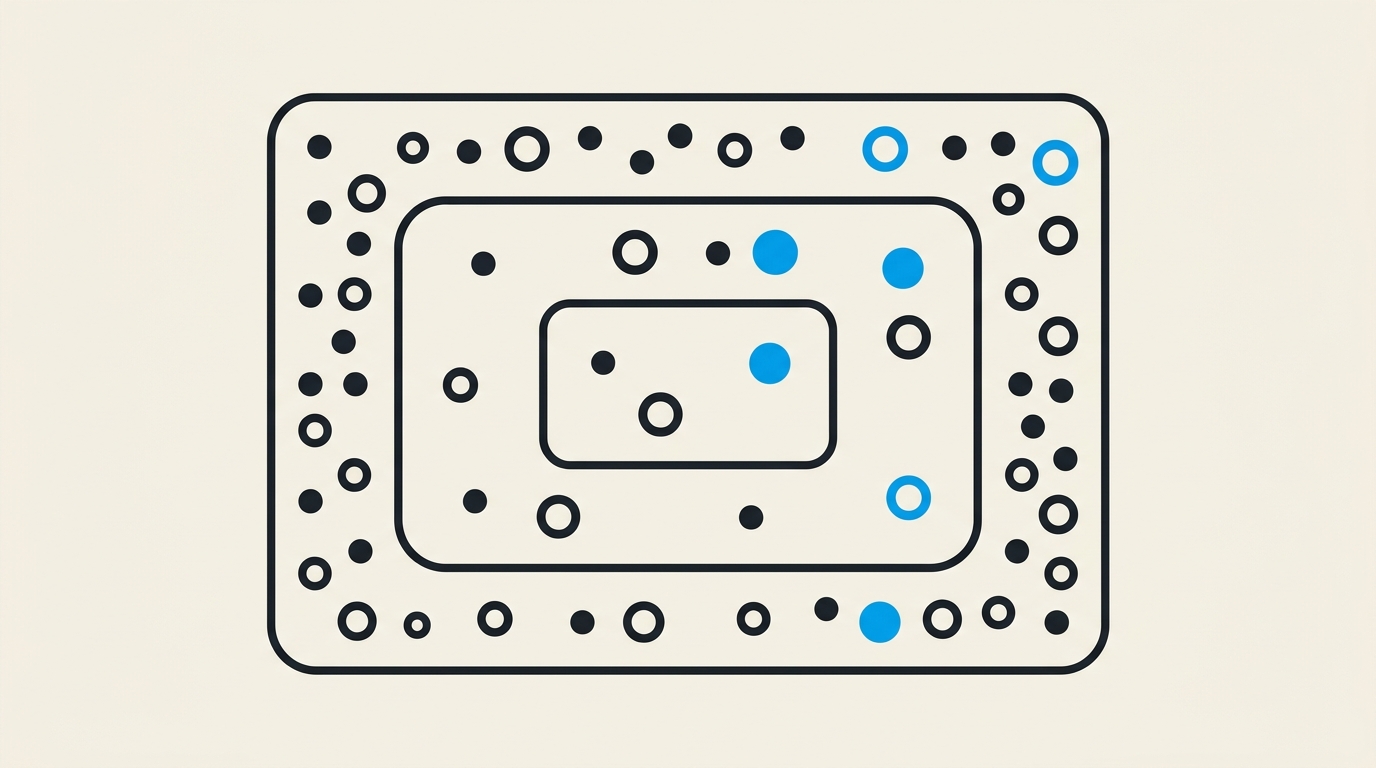
A more useful approach is to match the oversight to the risk. Three levels work for most organisations.
The first is a set of basic rules that apply to everyone, all the time. Use approved tools. Keep customer and confidential data out of anything that isn’t approved. A person stays responsible for anything that goes out. Say when AI was used. That covers a large share of everyday use, and it needs no meeting at all.
The second is a standard review for tools that carry moderate risk. Internal use, no decisions about individuals, a clear owner. A short form, a named reviewer, a decision within days.
The third is closer oversight for anything that affects people’s money, jobs, rights or legal position. Credit decisions, recruitment, debt recovery, anything a customer might want to challenge. This is where the real time and expertise should go.
The government’s new AI Risk Management Toolkit takes a similar line, asking organisations to set a clear appetite for each type of risk rather than one blanket position on AI. It says plainly that without that clarity, teams run into blockers that “will eventually stifle innovation”.
Use the people you already have
You probably don’t need a new committee. You need existing people with clearer jobs.
Most organisations already have change boards, data protection reviews, security checks and risk registers. Add AI to them rather than building something alongside. Set the standards centrally, and let the teams closest to the work apply them. Bring legal and data protection in at the start. If they only see an AI tool when it’s ready to launch, governance has arrived too late.
Reuse what you can. A good data protection impact assessment for your first AI tool can become the template for the next five. Work that took weeks the first time should take days after that.
The questions don't scale with the price
The size of the contract is a poor guide to the level of risk. A cheap tool that screens job applicants can do far more harm than an expensive one that summarises board papers.
Whatever the cost, three questions apply. Where does the person sit: approving every output, reviewing samples, or not involved at all? What is the data really like, rather than what the vendor assumes? And who answers when it’s wrong?
If those have clear answers, most tools can move quickly. If they don’t, no amount of committee time will make the tool safe.
Keep a record of what the tool did and who approved it. If something goes wrong, that record is your defence.
Where to start
List the AI tools already in use across the business, including the unofficial ones. Sort them into the three levels. You’ll probably find most sit in the first, a handful in the second, and very few in the third. Put your effort where the risk is.
Is your governance slowing the safe work and missing the risky stuff?
Let’s map what’s already in use across the business and put the oversight where the risk actually is.