Picture someone’s first day. Nobody introduces them. There’s no handbook, no explanation of what the company does or who its customers are. You point them at a desk and ask them to write to your biggest client by lunchtime.
(Plenty of companies do exactly this, I know. They shouldn’t.)
It’s also how most organisations start with AI. They open a tool or switch on an agent, type a request, get something generic and polite back, and decide AI isn’t all that good. The tool may be very capable. It just has no idea who you are.
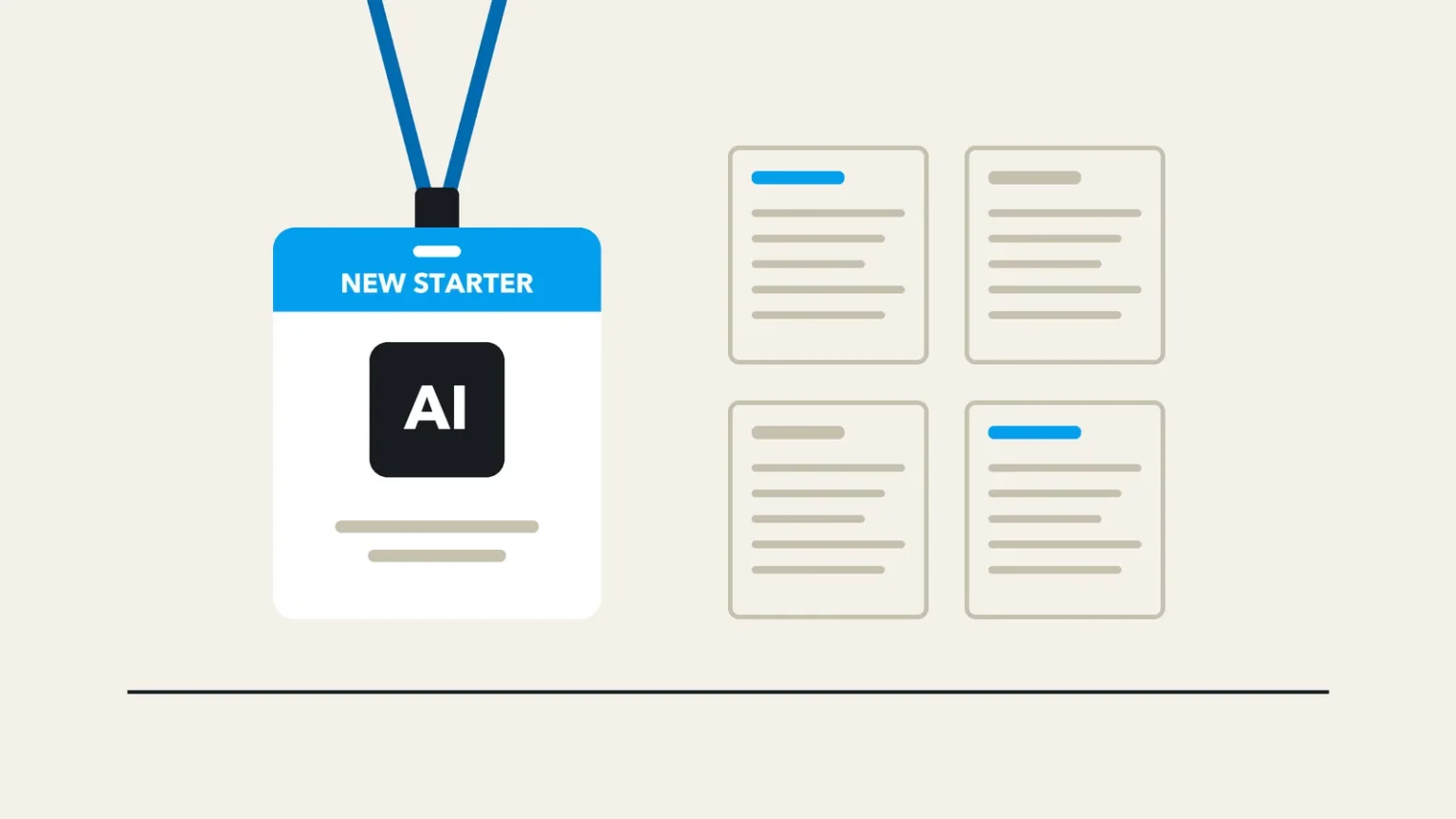
So give it an induction.
What goes in it
Start with what you’d want a good new starter to know by the end of their first month:
- Who you are: what the business does, who your customers are and what you’re trying to achieve this year
- Your values, and what they look like when a decision gets awkward
- Your tone of voice, with real examples of writing you’re proud of and the words you’d never use
- How you work: process maps, standard operating procedures, templates and what good looks like
- The relevant bits of your employee handbook and policies
- The rules: what it must never say, never do and always pass to a person
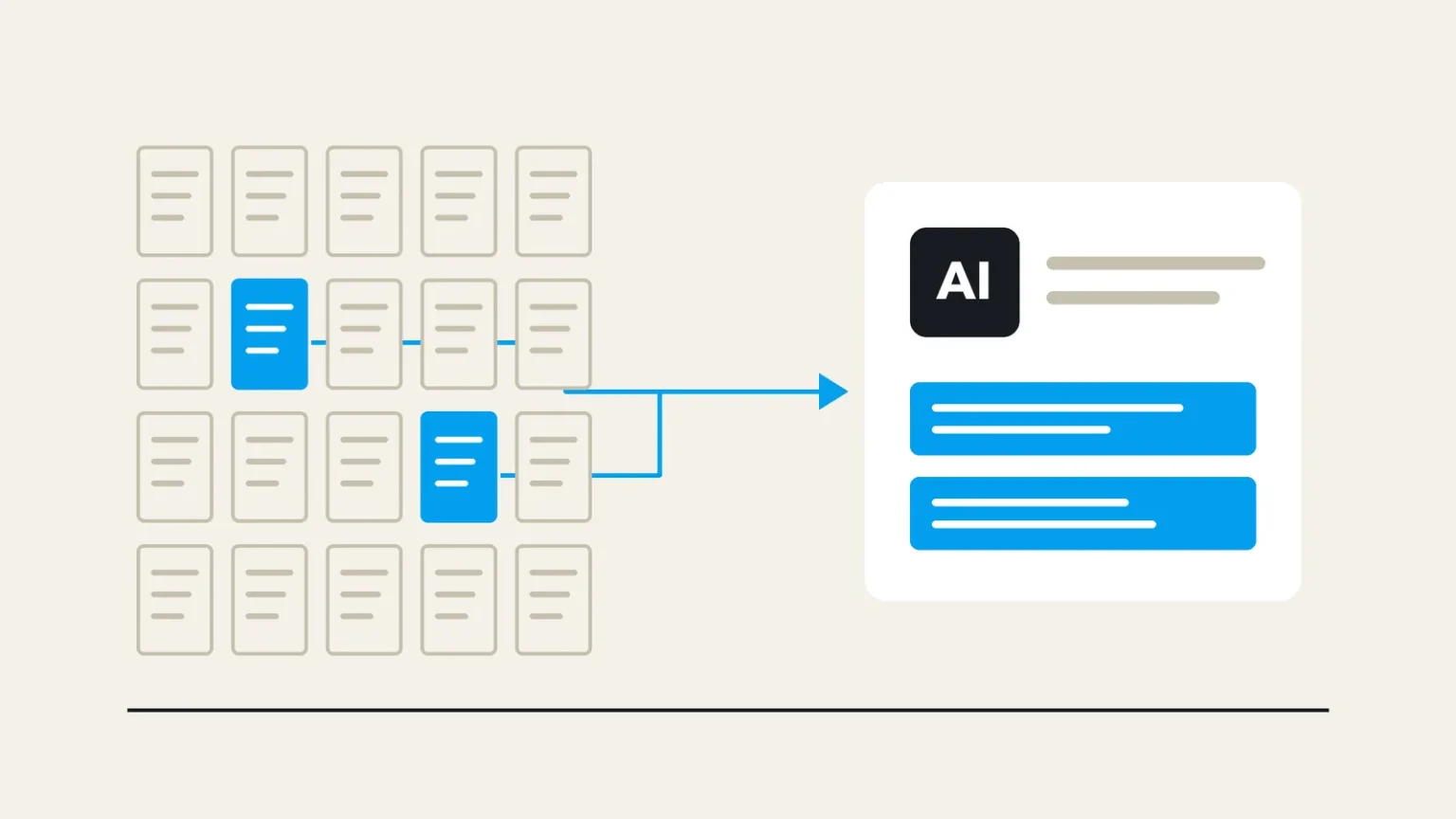
Most business AI tools have somewhere to put this, whether that’s a project, custom instructions or a knowledge base. You do it once, and every request after that starts from your context instead of from nothing. For the detail on how, I’ve written a plain-English guide to RAG, AGENTS.md and CLAUDE.md.
What it looks like in practice
I do this with my own AI setup. It has a written version of my tone of voice, including a list of banned words. “Leverage” is on it. So is “synergy”. It knows which client names must never appear in public and which projects are confidential.
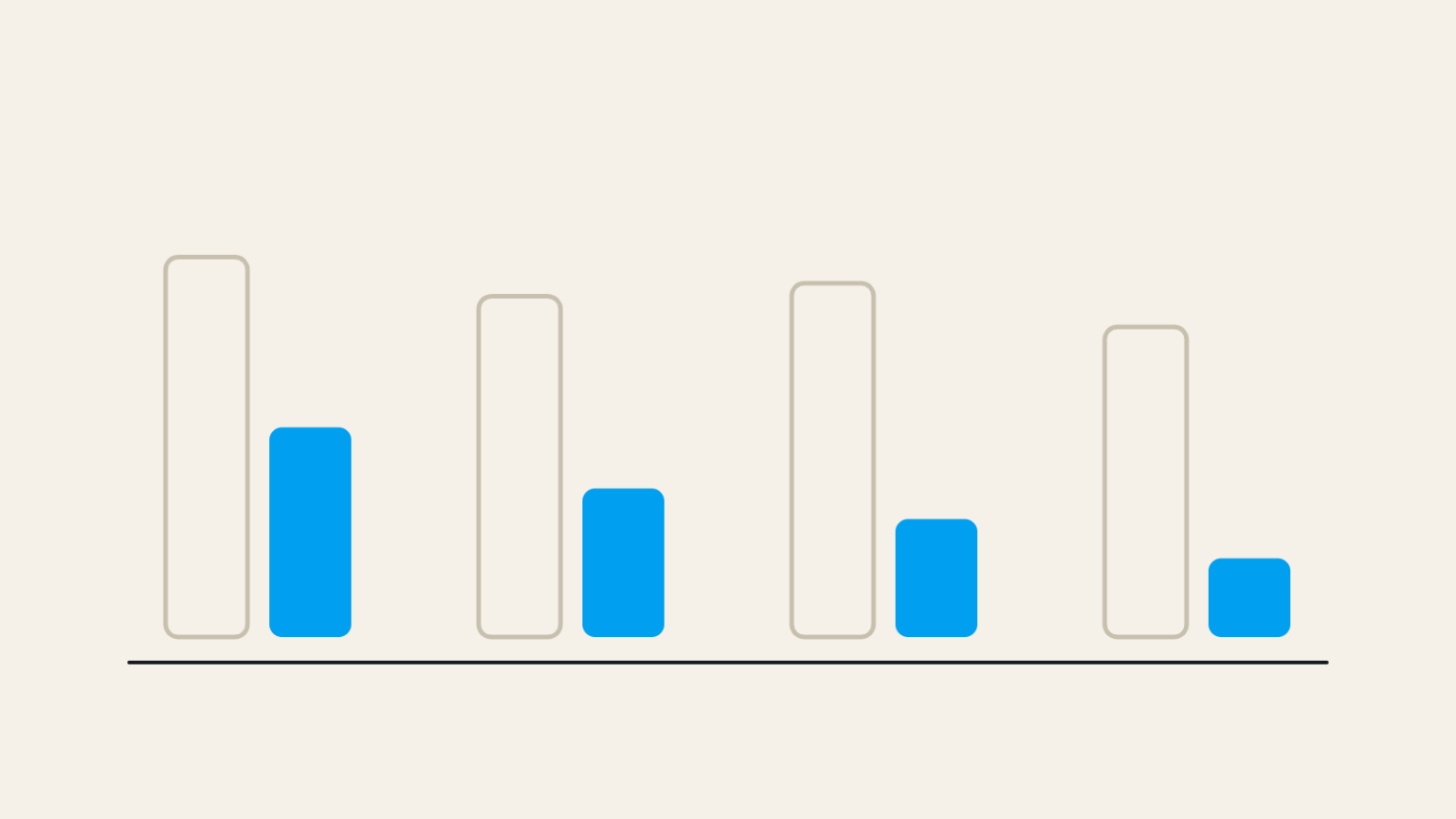
It also gets things wrong, like any new starter. An AI agent helping on my website recently let full-size images through, and my homepage ended up loading 17.7MB of pictures. I wasn’t impressed. We fixed it, the homepage came down to 1.1MB, and the rule went into its notes: resize and compress every image before upload. It reads that before it touches the site again.
That’s the bit people miss. A person learns from a telling-off and remembers it. An AI tool generally only remembers what you’ve written down for it. So the induction can’t be a one-off document. Every correction should go back in.
Writing it down is the hard bit
Try this and you’ll find out something uncomfortable about your own organisation. Half of how you work isn’t written down. It lives in the head of someone who’s been there 15 years. The process map is from before the last restructure. Two policies contradict each other, and everybody knows which one to ignore.
A new employee works around that by asking the person next to them. An AI tool will follow the out-of-date document, confidently.
Annoying as that is, it’s also one of the most useful things AI will do for you. Getting your business ready for AI forces you to write down how it actually runs, and your human new starters get a better induction out of it too.
Don’t hand over every key on day one
Induct it properly, but use the same judgement you’d use with a person. A new marketing exec gets the brand guidelines. They don’t get the payroll file or the notes from a grievance case.
Before anything goes in, check what the tool does with your data and who else in the organisation can see it. Keep personal data and commercially sensitive material out unless there’s a clear reason and the right controls. If an agent can take actions, such as sending emails or changing records, give it the minimum access it needs for the job.
Then give it a probation
Start it on something small and low risk. Check its work. Correct it, and put the correction into the induction. Give it more to do once it’s earned it.
And give it a line manager. Someone should own what each agent knows, review it when things change and answer for what it produces. If nobody owns it, your AI induction will go the same way as that 2019 process map.
Pick one AI tool your team already uses and give it a proper first day. Then ask it to do the same job again and compare the two.
What would you put in your AI’s induction? Ping me a message, I’d like to hear it.