If nobody has stopped doing anything since the tool arrived, you've added work rather than changed it. Map how the job really happens, remove what only propped up the old way, set clear rules on when to accept or escalate, and update what you measure and reward.
The most common way to waste money on AI is to add it to a process without taking anything away.
People end up doing the old process and the AI process. They check the tool’s output against the way they used to do it. They keep their own records in case the tool is wrong. Managers pick up extra co-ordination work nobody planned for. Six months in, the tool is technically working, and everyone is busier than before.
When that happens, it’s tempting to blame the technology. In my experience it’s rarely the model that fails. It’s the fit between the tool and the way work actually gets done.
AI changes how work flows before it changes jobs
Most of the public conversation about AI is about which jobs it will replace. For most managers, that’s the wrong question for the next few years.
What they’ll actually notice is the shape of the work changing. Some steps shrink. Others stretch. Decisions that used to sit with a person are now partly shaped by a system. Handoffs between teams change. And accountability gets blurry, because it’s no longer obvious who decided what.
Dr Tomislav Karačić, who teaches on this at LSE, makes the point that AI changes how work is organised long before it changes job titles. If you only ask “can AI do this task?”, you’ll miss how that task connects to everything around it.
Signs your process wasn't redesigned
A few symptoms are worth watching for. The tool produces outputs that nobody uses, because they arrive at the wrong time or in the wrong format. Different teams read the same output in different ways. Work gets done twice. Trust erodes because nobody’s quite sure when the tool can be relied on.
Each of these points to a design problem, not a technical one.
Redesign the work, then add the tool
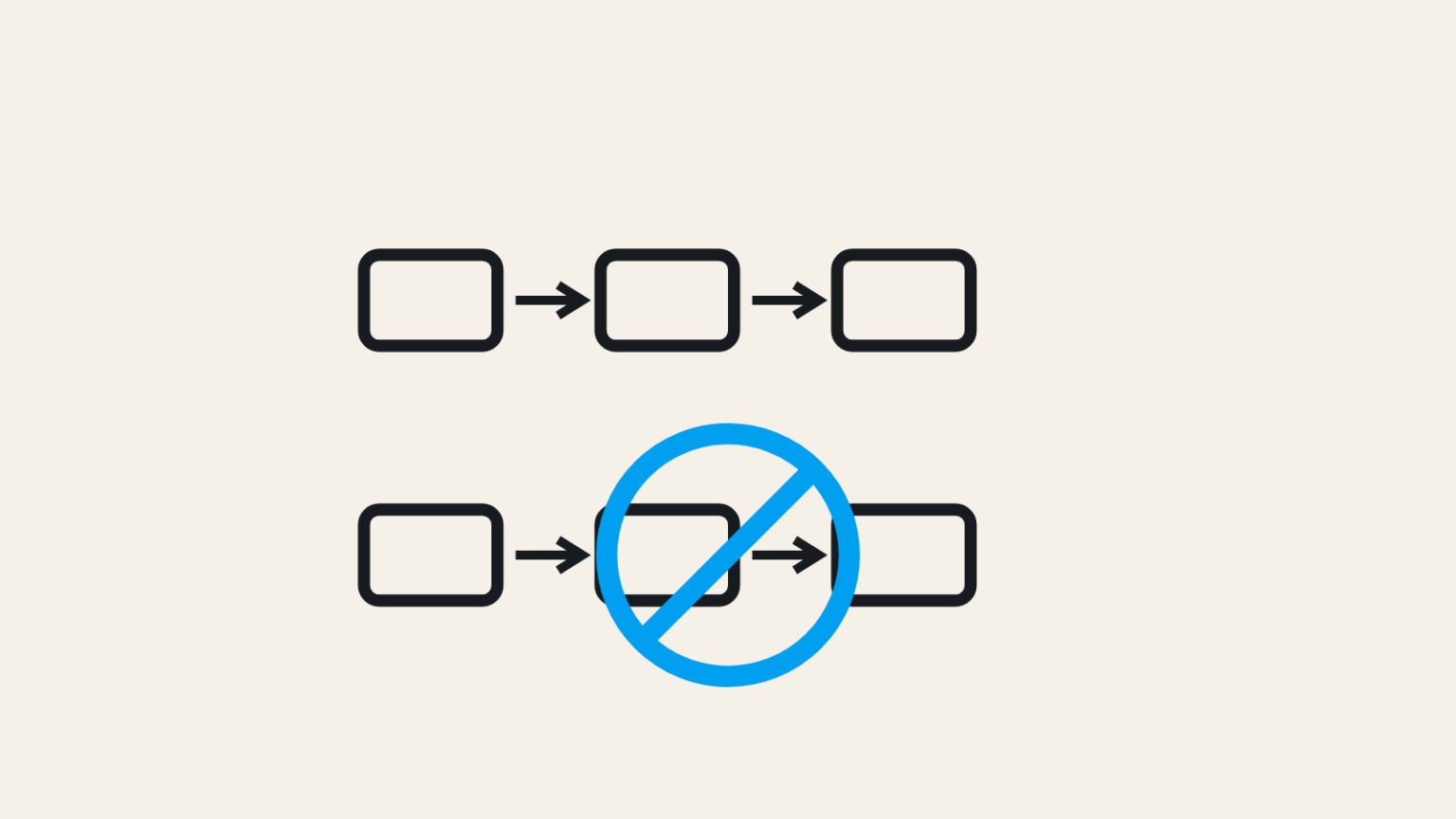
Start by mapping how the work happens today, honestly, including the workarounds. Then map how it should happen once the tool is in place. Anything that only exists to support the old way should go. If you leave it, people will keep using it.
Be specific about what changes for the person doing the job. A lot of AI work moves people from doing the task to overseeing it. That’s a different skill. It needs clear rules on when to accept what the tool suggests, when to check it and when to escalate. It needs training. And it needs the person’s manager to understand the new way well enough not to reinforce the old one.
Ask the people doing the work to help design it. They know where the real delays are, and what “ready” actually means in practice. On one debt recovery project I’ve worked on, the aim was to stop skilled legal staff acting as the human link between a dozen systems, so they could get back to the legal work they trained for. A tool alone was never going to do that. The process had to change around it.
Change what you reward
Organisations often ask for a new way of working while still rewarding the old one. If people are measured, praised and promoted for the way things used to be done, the new process won’t stick, however good the tool is.
So update the things that shape behaviour. Job descriptions. What good performance looks like. What managers are asked about in their own reviews. It’s dull work. It’s also the difference between a tool people use and a tool people work around.
The practical test
Pick one process where you’ve added AI. Ask the team what they’ve stopped doing since it arrived. If the answer is “nothing”, you haven’t changed the process yet. You’ve added to it.
Added AI and nothing got simpler?
Tell me which process the tool went into. We’ll work out what can stop, and redesign the work around it.