Start with the AI tools your marketing team already uses, not the one waiting for approval. Match the oversight to the risk in three levels, keep a person who is actually looking responsible for anything that reaches a customer, and be sure you have a lawful basis for the data going in.
Ask most marketing teams how they’re governing AI and you’ll hear about the tool that’s stuck in a review process. The one legal is looking at. The one that’s been in a steering group since spring.
Meanwhile the actual risk is sitting on the team’s laptops. Customer lists pasted into a free chatbot to draft an email. Campaign data dropped into whatever tool someone found on a podcast. A headshot run through an image generator with the terms and conditions unread. None of it approved, none of it recorded, all of it live.
That’s the thing about AI in a marketing team. It arrived through the side door, one useful shortcut at a time, and the governance conversation is usually happening in a different room from the usage.
How do you use AI in marketing safely?
Start with what’s already in use, not with what you might buy. Write down the tools people are actually using and the data going into them. Then match the level of oversight to the level of risk, keep a person responsible for anything that goes to a customer, and be clear about consent for the data underneath. Safe AI in marketing is mostly about visibility and ownership, not about a longer approval queue.
The instinct to slow everything down is understandable, and it doesn’t work. When the official route takes six weeks, people find their own, and the version they find is nearly always riskier than the one you were debating. Blanket caution isn’t governance. It’s just delay with better vocabulary.
Where the real risk sits in marketing
Marketing has a particular exposure that a lot of AI governance misses, because most AI reviews are written for back-office tools. Three risks matter more here than almost anywhere else.
The first is customer data. Marketing holds a lot of it, and a lot of it is personal. Under UK and EU data-protection law, you need a lawful basis to process that data, and for most AI-driven marketing and tracking that means clear, freely given consent, not a pre-ticked box. Data collected for one purpose can’t be quietly repurposed to train a model or drive new targeting without going back to that basis. If a tool is learning from your customer list, someone needs to be able to say why that’s allowed.
The second is the brand itself. AI-generated content carries your name the moment it goes out. Get the tone wrong, publish something that’s subtly false, or let a synthetic image slip past that shouldn’t have, and the brand owns the outcome, not the model. That’s a marketing risk in a way it never was for a spreadsheet macro.
The third is the customer’s trust. People increasingly expect to know when they’re talking to a machine and when content is AI-generated. Hyper-personalised, emotionally targeted messaging can cross from helpful into manipulative, especially with vulnerable audiences. Compliance is the floor here, not the ceiling. You can be entirely within the law and still lose people.
Not every AI tool needs a committee
The mistake I see most often is treating all of it the same. Every tool through the same review, every use case waiting on the same monthly meeting. When everything needs approval, nothing moves, and you’re back to the side door.
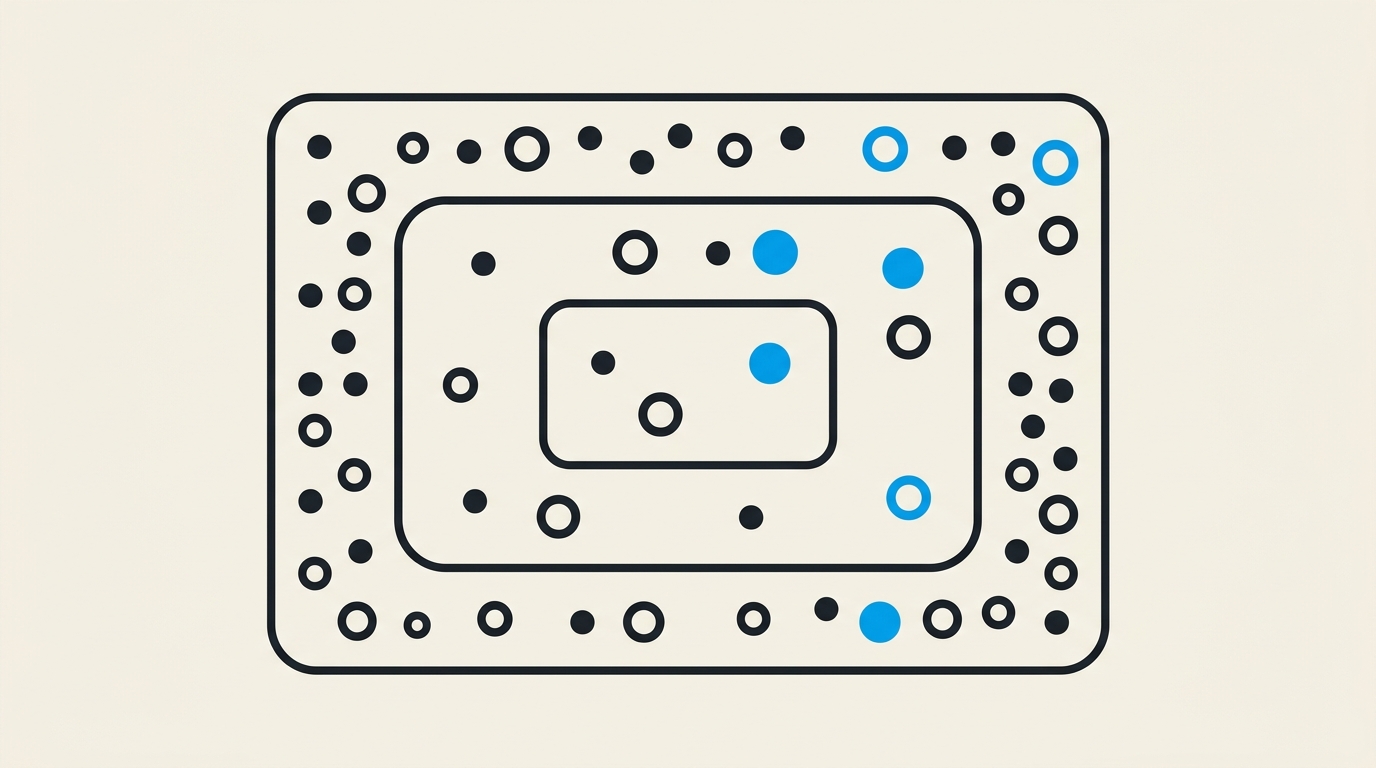
Three levels are usually enough. Most everyday use sits at the first: basic rules that apply to everyone, all the time. Use approved tools. Keep customer and confidential data out of anything that isn’t approved. A person stays responsible for what goes out. Say when AI was used. That covers a large share of a marketing team’s day and needs no meeting at all.
The second level is a short, standard review for tools that carry moderate risk. Internal use, nothing that makes decisions about individuals, a named owner and a decision in days rather than weeks.
The third is closer oversight, and it’s where the real time should go. Anything that targets or profiles people, sets prices individually, screens or scores leads in a way that affects how a real person gets treated, or touches sensitive data. If your marketing ever touches health information, that’s a different regime again, and the bar is higher.
You almost certainly don’t need a new committee to run this. You need the people you already have, with clearer jobs. Add AI to the change, data-protection and brand reviews you already run, set the standards centrally, and let the teams closest to the work apply them. Bring data protection in at the start, not when the campaign is ready to launch.
Keep a human who's actually looking
A lot of marketing governance leans on the phrase “human in the loop” and stops there. But a person signing off AI output only makes it safer if they have the time, the information and the permission to say no. A reviewer who approves every draft in the time it takes to skim it isn’t a safeguard. They’re a rubber stamp with a pulse.
Decide who signs off creative, targeting and claims before anything ships, and give them enough context to disagree. Then keep a simple record of what the tool did and who approved it. If a campaign goes wrong, or a regulator asks, that record is your defence.
What to do this week
Pick your busiest channel and list every AI tool touching it, including the unofficial ones. For each, answer three questions. What data goes into it, and do you have a lawful basis for that? Who is responsible for what comes out? And if it gets something wrong about a customer, how would you know?
Most of what you find will be low-risk and can carry on with simple rules. A few things will need a proper look. And one or two will make you glad you asked now rather than after a complaint. Put your effort where the risk actually is, not where the paperwork is easiest.
Not sure what AI your marketing team is already using?
If your AI is slowing down the safe work without catching the risky stuff, that’s the thing to fix. Ping me a message and we’ll talk it through.